
Causes, Risks, and Medical Treatment Options
Dry eye disease is a common but often underestimated condition that affects millions of people every year. While it may start as mild irritation or occasional discomfort, untreated dry eye can progress into a chronic condition that impacts vision, eye health, and overall quality of life. At Shah Eye Center, patients have the advantage of being evaluated and treated by both a Medical Doctor (ophthalmologist) and an optometrist—ensuring comprehensive, medically guided care when it matters most.
What Is Dry Eye Disease?
Dry eye disease occurs when your eyes do not produce enough tears, or when the tears evaporate too quickly due to poor tear quality. Tears are essential for maintaining the health of the front surface of the eye and for providing clear, comfortable vision.
A healthy tear film is made up of three layers:
The tear film consists of three essential layers: the oil layer (lipid layer), which prevents tears from evaporating too quickly; the water layer (aqueous layer), which provides moisture and nourishment; and the mucus layer, which helps tears spread evenly across the surface of the eye.
When one or more of these layers is disrupted, dry eye symptoms can develop.
Common Symptoms of Dry Eyes
Dry eye symptoms can range from mild to severe and may include:
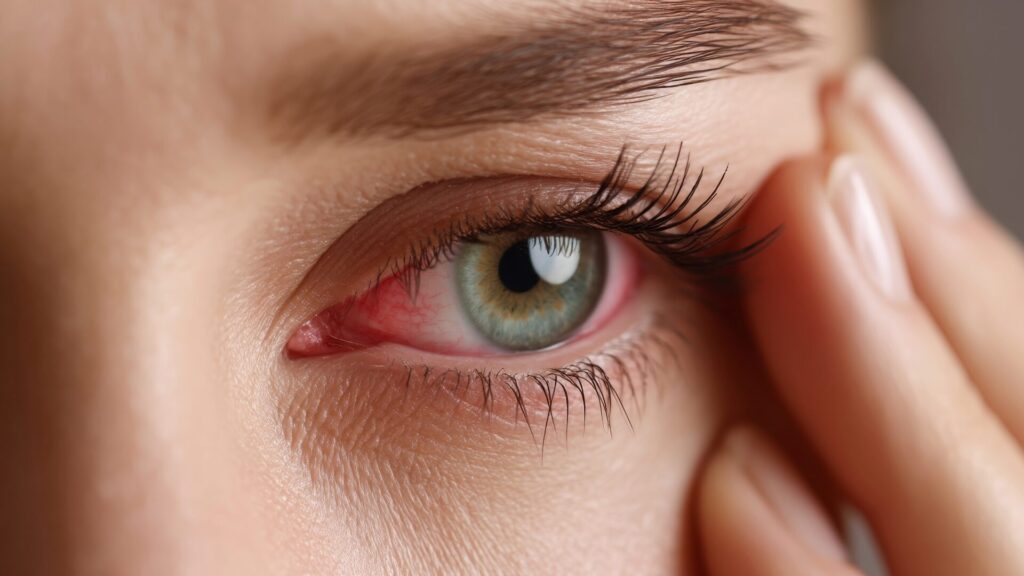
Common symptoms of dry eye include a burning or stinging sensation, a gritty or sandy feeling in the eyes, redness or irritation, excessive tearing as a reflex response to dryness, blurred or fluctuating vision, sensitivity to light, and eye fatigue, especially after prolonged screen use.
If these symptoms persist, it is important not to ignore them, as chronic dry eye can lead to long-term damage.
What Causes Dry Eye?
Dry eye can be caused by a variety of factors, including:
Dry eye can be caused by several factors, including prolonged screen time with reduced blinking, aging, hormonal changes, environmental conditions such as wind, smoke, or dry air, contact lens wear, certain medications, and autoimmune or inflammatory conditions.
In many cases, dry eye is not just a surface issue; it can be linked to underlying medical conditions that require professional evaluation.
Medical Conditions and Disorders Associated With Dry Eye
Dry eye disease is often associated with systemic or ocular disorders, such as:
Dry eye disease is frequently associated with certain medical and ocular disorders. These include Meibomian Gland Dysfunction (MGD), a common cause of evaporative dry eye in which oil producing glands become blocked or inflamed; blepharitis, which is chronic inflammation of the eyelids; autoimmune disorders such as Sjögren’s syndrome, rheumatoid arthritis, or lupus; diabetes, which can affect tear production and nerve function; and thyroid eye disease, which may alter eyelid position and tear stability.
Because dry eye can be linked to broader health issues, evaluation by a Medical Doctor is sometimes necessary to properly diagnose and manage the condition.
Why Dry Eye Should Not Be Ignored
Untreated dry eye can lead to more serious complications, including:
If left untreated, dry eye can lead to chronic eye inflammation, damage to the corneal surface, an increased risk of eye infections, persistent blurred vision, and a reduced quality of life.
In severe cases, dry eye can compromise the integrity of the cornea, making medical intervention essential.
Keeping Your Eyes Healthy
While medical treatment is sometimes necessary, daily habits can help support eye health:
To help support eye health, it is recommended to take regular breaks from screens by following the 20-20-20 rule, blink consciously when using digital devices, stay well hydrated, use a humidifier in dry environments, wear sunglasses outdoors to protect against wind and UV exposure, and avoid smoke or other eye irritants whenever possible.
These steps can help reduce symptoms but are not a substitute for a professional eye evaluation.
When Medication and Medical Treatment Are Necessary
For many patients, over-the-counter artificial tears are not enough. Depending on the severity and cause of dry eye, medical treatment may include:
Depending on the severity and cause of dry eye, medical treatment may include prescription eye drops to reduce inflammation, medications that help increase tear production, treatment for eyelid inflammation or gland dysfunction, and management of underlying systemic medical conditions.
This is why a thorough examination by a Medical Doctor, often in collaboration with an optometrist, is critical. Treating dry eye is not a one-size-fits-all approach; it requires a personalized treatment plan based on medical findings.
Comprehensive Dry Eye Care at Shah Eye Center
At Shah Eye Center, dry eye care goes beyond symptom relief. Patients receive comprehensive evaluations to determine the underlying cause of their condition and whether medical treatment is necessary. With access to both a Medical Doctor and an optometrist, patients benefit from a team-based approach focused on long-term eye health, comfort, and vision preservation.
If you are experiencing ongoing dry eye symptoms, scheduling an eye exam is an important step toward protecting your vision and overall eye health.
Your eyes deserve medical-grade care. Don’t ignore dry eye symptoms; get evaluated and treated by professionals who understand the full picture of your eye health.